






The shift towards electronic signatures in today’s digital landscape has revolutionised how documents are handled. Among the various types of electronic signatures, advanced electronic signatures (AES) stand out for their enhanced security and legal validity. But what exactly constitutes an advanced electronic signature, and why is it crucial in the modern business world?
Let’s delve into the intricacies of AES to gain a comprehensive understanding of its significance:
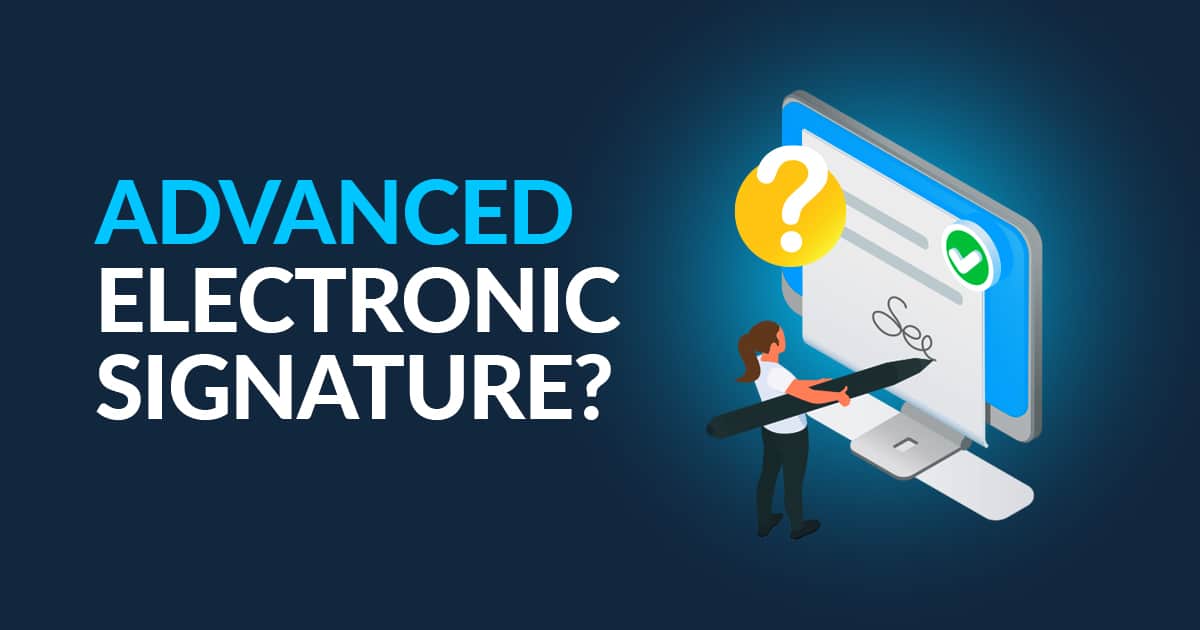
Defining Advanced Electronic Signatures (AES)
At its essence, an advanced electronic signature (AES) is a type of digital signature that meets stringent legal requirements to ensure its authenticity and integrity. Unlike basic electronic signatures, which may lack robust authentication measures, AES employs advanced cryptographic techniques to verify the identity of the signer and protect the integrity of the signed document.
Key Features of Advanced Electronic Signatures:
- Authentication: AES utilises sophisticated methods, such as biometric recognition or digital certificates, to verify the identity of the signer beyond doubt.
- Integrity: Through cryptographic hashing, AES ensures that any modifications to the signed document are immediately detectable, preserving its integrity.
- Non-Repudiation: AES provides undeniable proof of the signer’s intent to sign the document, making it legally binding and indisputable in legal proceedings.
Understanding the Process of Advanced Electronic Signatures
The process of creating and verifying an advanced electronic signature involves several crucial steps:
- Authentication: The signer’s identity is verified using robust authentication mechanisms to establish trust in the digital transaction.
- Document Hashing: A unique cryptographic hash of the document’s contents is generated to create a digital fingerprint, ensuring its integrity.
- Digital Signing: The signer applies their digital signature to the document, which is encrypted and bound to the document’s hash, creating a secure seal.
- Verification: The signed document and associated signature metadata are verified using cryptographic algorithms to confirm authenticity and integrity.
Benefits of Advanced Electronic Signatures:
- Efficiency: AES streamlines document signing processes, eliminating the need for physical paperwork and reducing administrative overhead.
- Legality: AES is legally recognised and enforceable in most jurisdictions worldwide, providing the same level of legal validity as traditional handwritten signatures.
- Security: AES enhances document security by mitigating the risk of forgery, tampering, or unauthorised access, safeguarding sensitive information.
- Sustainability: By reducing paper consumption and carbon emissions associated with traditional document workflows, AES contributes to a more environmentally friendly business environment.
In conclusion, (AES) play a pivotal role in facilitating secure and efficient digital transactions in today’s business landscape. By leveraging AES solutions like SigniFlow, organisations can streamline workflows, enhance security, and embrace the benefits of a paperless future. Embracing AES is not just about keeping up with technological advancements but also about staying ahead in a rapidly evolving digital world.