Continuous Facial Recognition with Liveness

Extend identity assurance beyond the first check

Most identity checks confirm who is present at a single moment, such as login or the beginning of a digital process.

Continuous Facial Recognition with Liveness continues assessing whether the verified person remains present while the digital session is active. It provides an additional identity signal when an organisation needs confidence beyond the opening check.

The technology is designed for use within existing web and mobile applications and can complement an organisation’s current authentication and identity-verification controls.



Book a Demo

Book a Demo - Above Footer

New Business Clients
Welcome to Signiflow!
Image
Image
Image
Image
Image
Image
Image
Image
Image
Image
Image
Image
Image
Image
Image
Image
Image
Image
Image
Image
Image
Image
Image
Image
Image
Image
Image
Image
Image
Image
Image
Image
Image
Image
Image
Image
Image
Image
Image
Image
Image
Image
Image
Image
Image
Image
Image
Image
Image
Image
Image
Image
Image
Image
Image
Image
Image
Image
Image
Image
Image

Why Continuous Facial Recognition?

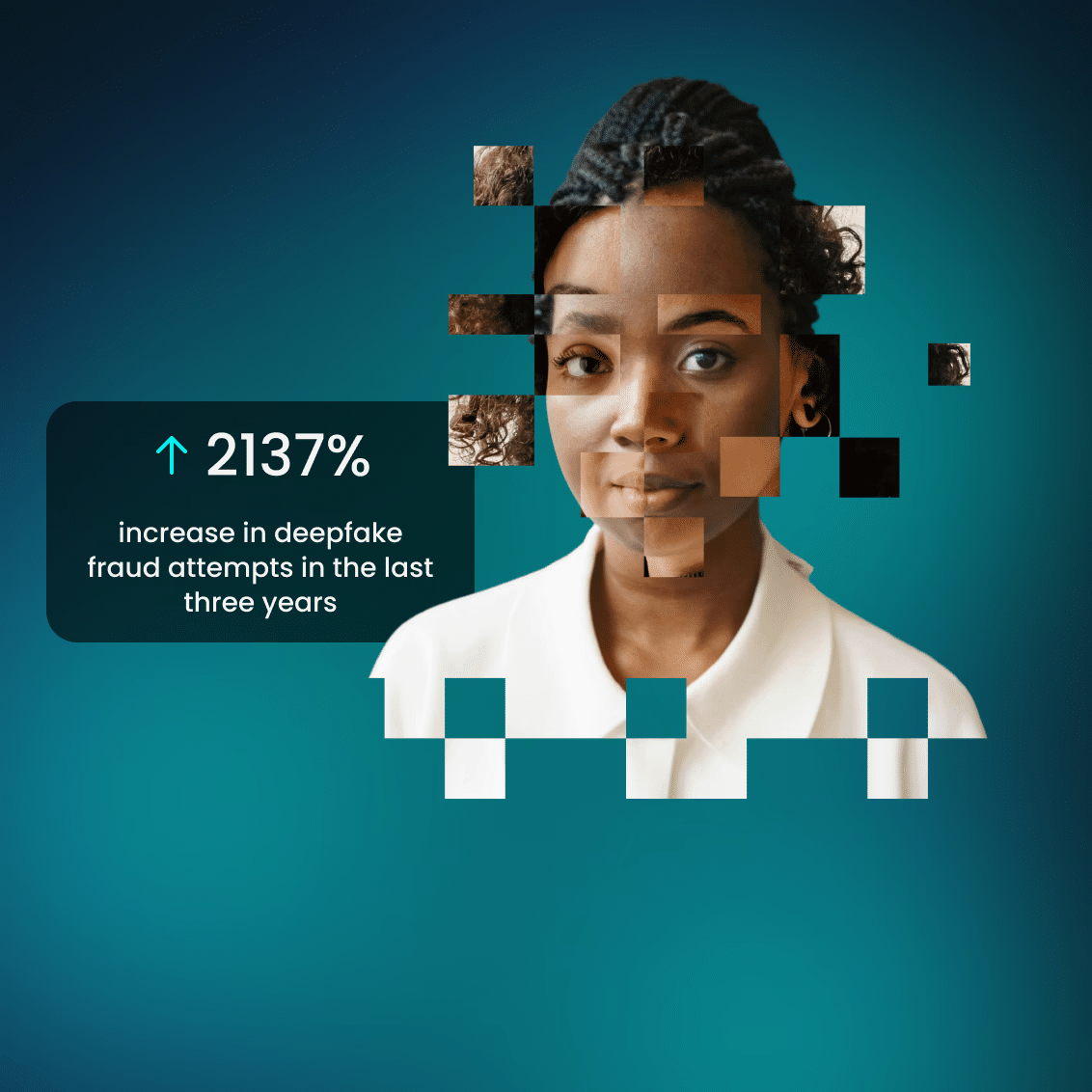
A successful identity check establishes who was present when a session began. It does not necessarily show who remains behind the screen as the interaction continues.

This can matter when a digital session involves sensitive information, a confidential interaction or a consequential action. If the verified person steps away or another person takes control, a once-off check may not recognise that change.

Continuous Facial Recognition adds ongoing presence verification to the active session, giving the organisation another signal it can use when deciding whether the interaction should continue.
Image

What is the Continuous Facial Recognition SDK?
Image

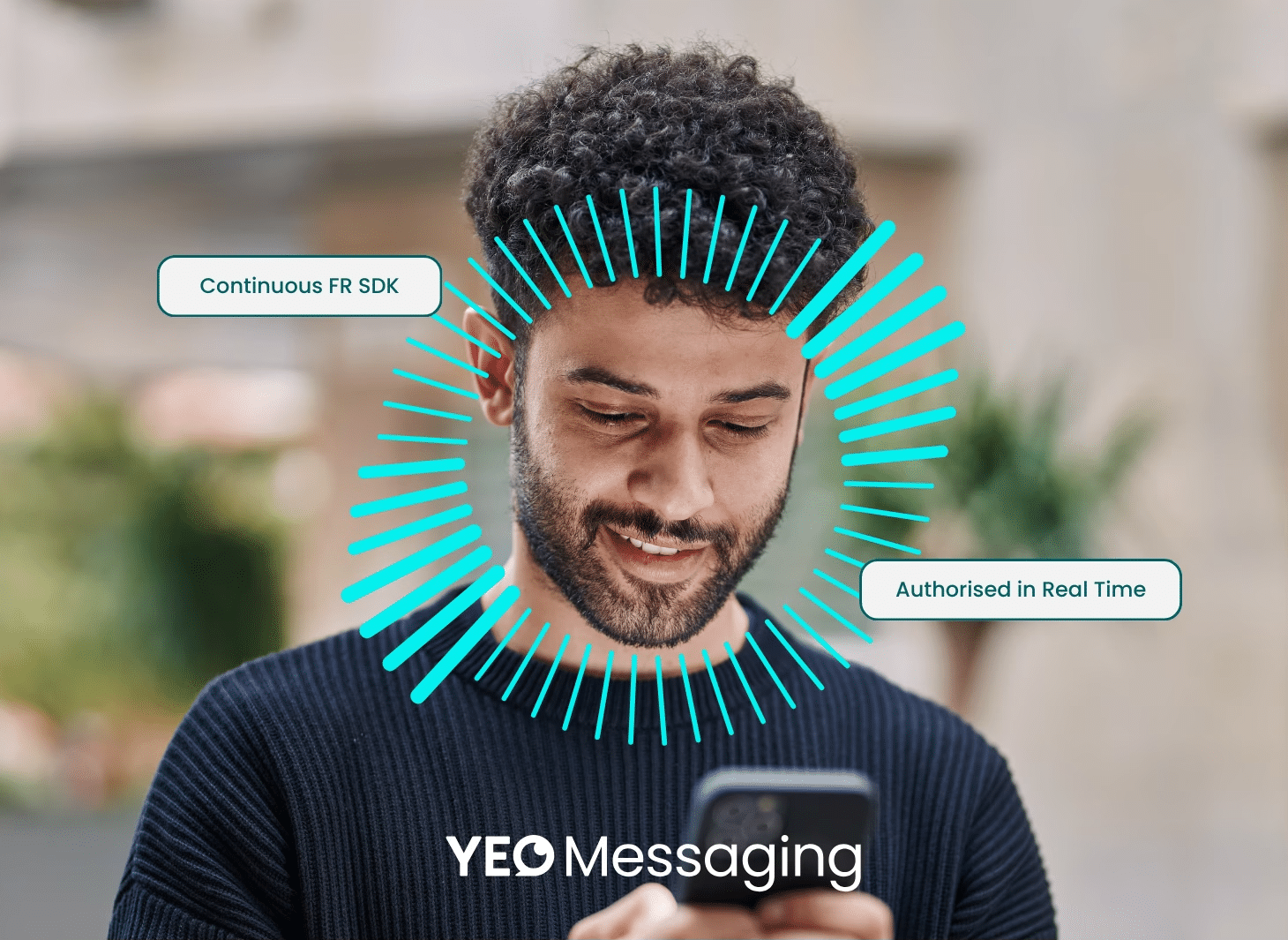
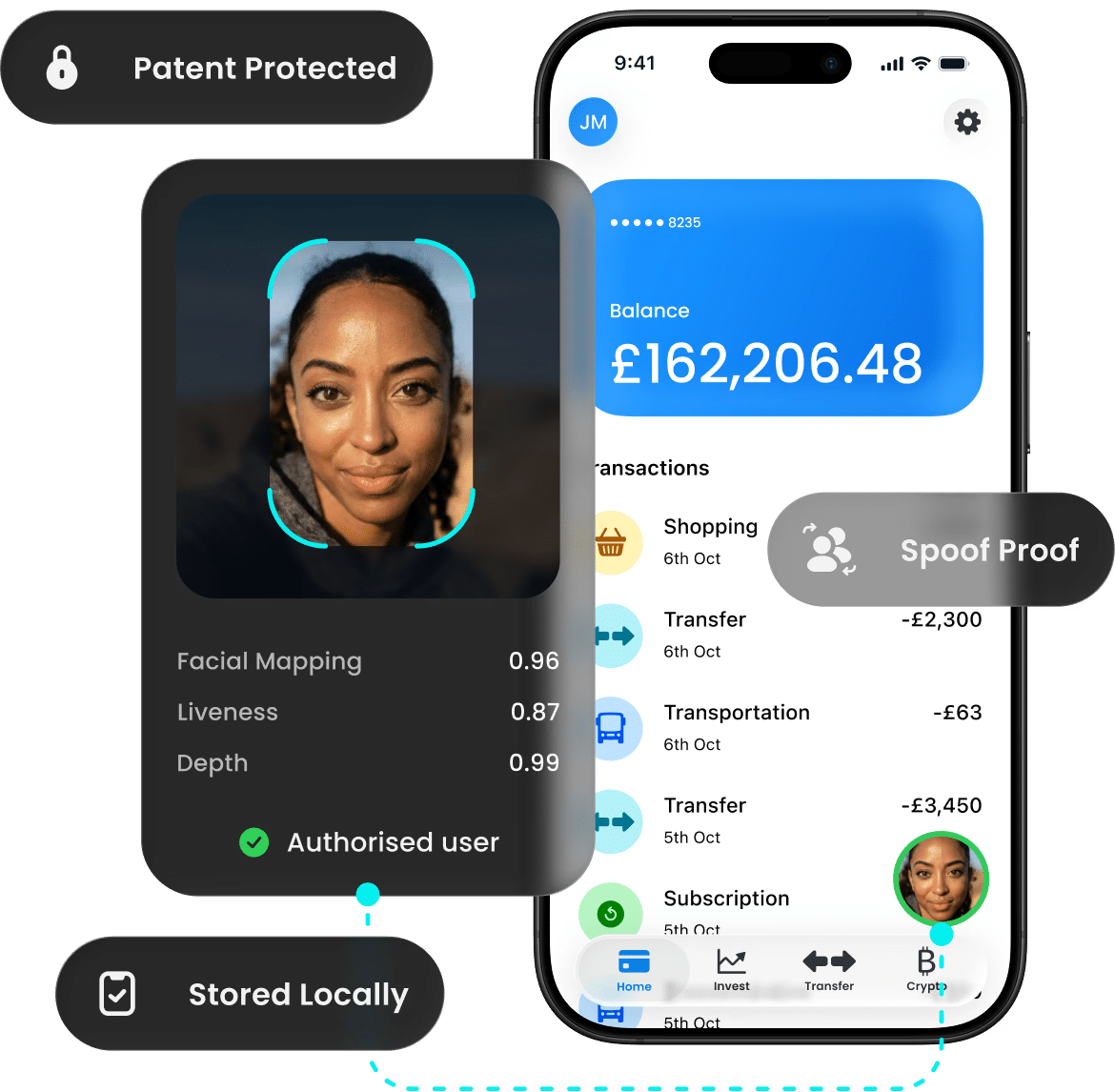
The Continuous Facial Recognition Software Development Kit, or CFR SDK, is a developer toolkit designed to add ongoing facial verification to existing web and mobile applications.

The SDK provides the biometric layer while the organisation’s application retains control of the session and determines what should happen when presence cannot be confirmed.

Biometric processing takes place on the user’s device rather than in a central biometric database. This helps reduce the need to transmit or centrally store sensitive biometric data. Before deployment, organisations should review the SDK’s technical, security and privacy requirements to ensure the solution can be integrated appropriately and aligns with their internal policies, regulatory obligations and operational environment.

How the technology works


Establish a trusted facial reference

The process begins with a facial reference linked to the verified user.

2. Compare the person throughout the session

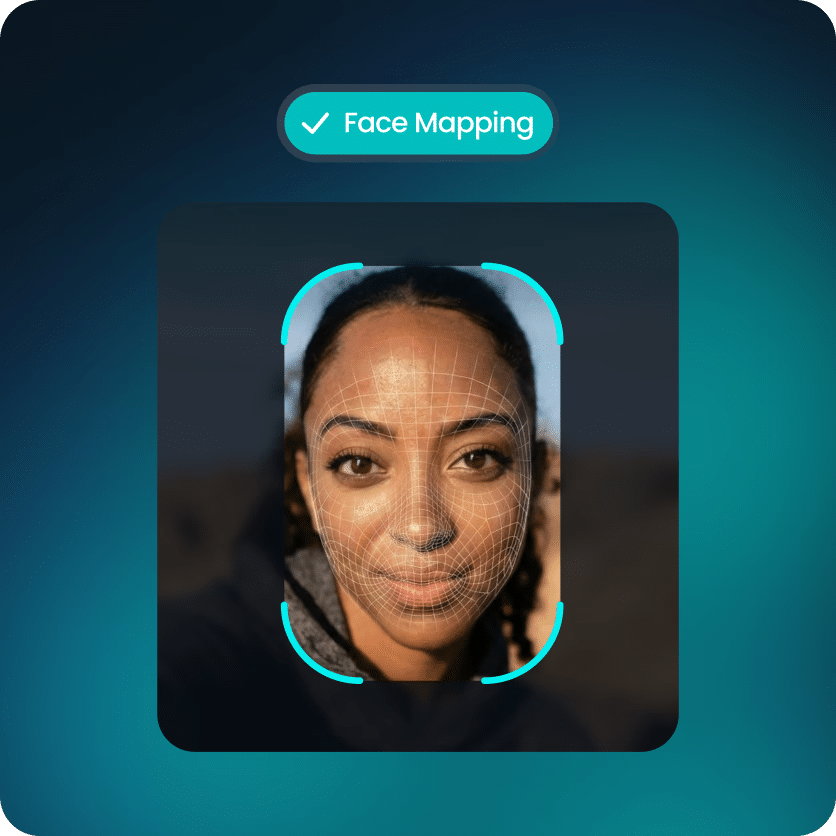
As the digital session continues, further facial samples are compared with the trusted reference to assess whether the verified person remains present.

3. Add liveness and depth verification

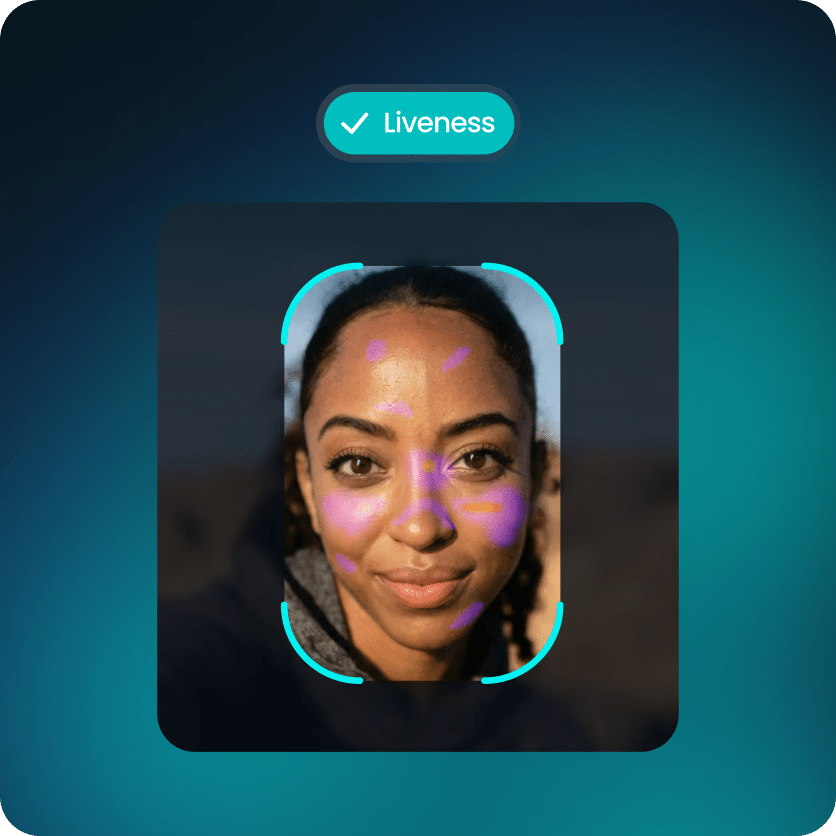
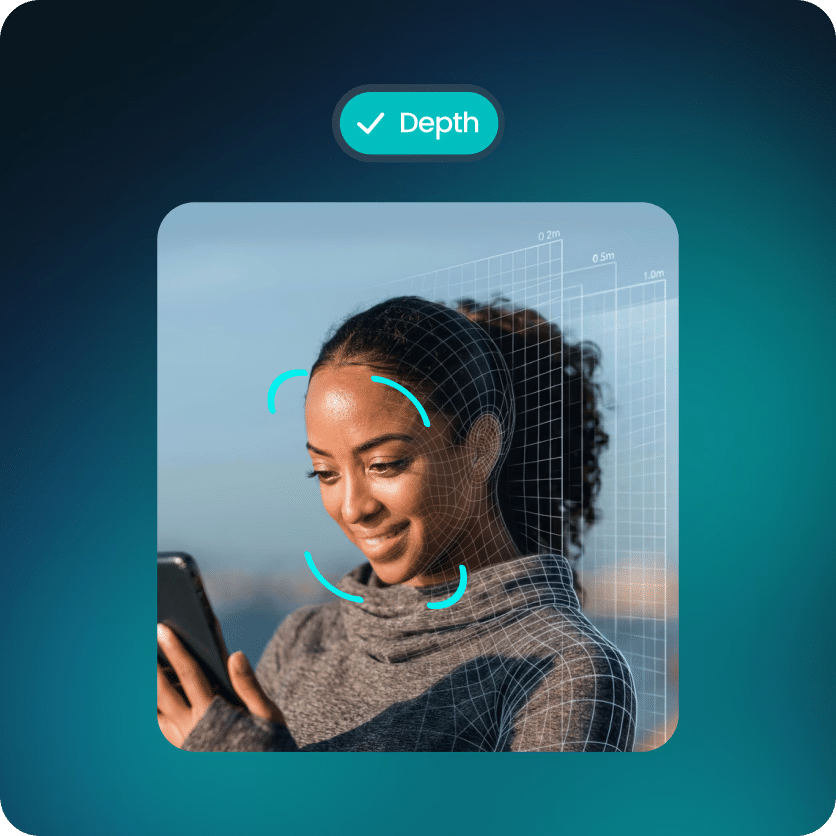
Facial comparison asks whether the face resembles the verified reference. Liveness detection and depth verification add signals intended to help distinguish a live person from a photograph, replayed video, mask or other imitation.

4. Let the application apply its own response
If presence cannot be confirmed, the SDK can provide a signal to the organisation’s application. The organisation determines the appropriate response, which could include pausing a sensitive action, requesting another check or directing the user to a different verification route.
Image
Image
Image

What Continuous Facial Recognition can add

Continuous Facial Recognition with Liveness can help organisations:
Extend identity assurance beyond login
Assess whether the verified person remains present during an active session
Receive an additional signal when the expected person disappears or no longer corresponds with the facial reference
Add liveness and depth verification to ongoing facial comparison
Complement existing authentication and identity-verification controls
Apply their own response when presence cannot be confirmed
The technology provides an additional identity signal. It does not make the final business decision, guarantee that fraud cannot occur or replace every other security control.

Where could it be used?

Continuous Facial Recognition may be considered when it matters whether the verified person remains present throughout a digital interaction.

Access to sensitive information

Add ongoing presence verification after a user has logged in to an application containing confidential or restricted information.

Confidential remote interactions

Provide an additional identity signal during remote consultations, private meetings or other sensitive digital sessions.

Consequential digital actions

Assess continued user presence when an important instruction, account change or high-value action is completed remotely.

Applications in high-trust environments

Support organisations that need stronger identity controls within selected parts of a web or mobile application.
Suitability depends on the organisation’s purpose, risk, legal obligations, privacy requirements and technical environment. Continuous Facial Recognition should be applied to a defined need rather than every digital interaction by default.

What should organisations consider?

Before adopting Continuous Facial Recognition with Liveness, organisations should understand:
The risk the technology is intended to address
How and when facial comparisons take place
The evidence supporting facial matching, liveness and depth-verification performance
How false matches, unsuccessful checks and interrupted camera access are handled
Where biometric information is processed and stored
What users are told about the technology
What alternative route is available when a reliable result cannot be reached
Image
The right implementation should balance the need for identity assurance with privacy, proportionality and a workable user experience.

Available through SigniFlow

Image

YEO Messaging’s Continuous Facial Recognition with Liveness is available through SigniFlow.

SigniFlow resells the product as supplied by YEO Messaging. The technology is not built into or integrated with the SigniFlow application or workflows.

The CFR SDK is intended for implementation within an organisation’s own compatible technology environment, subject to the supplier’s technical requirements and the organisation’s intended use.

Continuous Identity Verification | YEO


YEO Messaging provides patented continuous identity verification and secure communications for regulated industries; confirming who is present throughout every session, not just at login.

Contact Us

Across the enterprise

Discover how SigniFlow connects enterprise teams

PROCUREMENT

SigniFlow - Departments - Procurements
LEARN MORE

FINANCE

SigniFlow for Finance Teams
LEARN MORE
We believe in a digital future that sustains life on earth

24/7 Online support

We understand your office hours. SigniFlow offers 24/7 online support to all customers.

No matter where you are and no matter what time it is, we are always online to help you meet your deadlines.



SigniFlow 24/7 Support